
Airport check-in information counters are the first physical point of contact between passengers and airlines, making them a critical component of terminal design and operational efficiency. For airport developers, construction firms, and aviation operators investing in new or renovated facilities, selecting high-quality check-in counter solutions directly impacts passenger satisfaction, workflow optimization, and long-term durability.
The global Check-in Counter market is estimated to reach a valuation of approximately USD 1.1–1.8 billion in 2025, with compound annual growth rates projected in the range of 4.5%–6.5% through 2030. This growth is driven by increasing passenger traffic—forecasted to surpass 8.2 billion annually by 2025 per ACI World projections—and the need for airports to modernize aging infrastructure.
In this guide, we explore the key features of modern airport check-in desks, the benefits of modular designs, and how leading suppliers like MINGLE Airport Furniture Supplier deliver tailored solutions for global aviation projects.
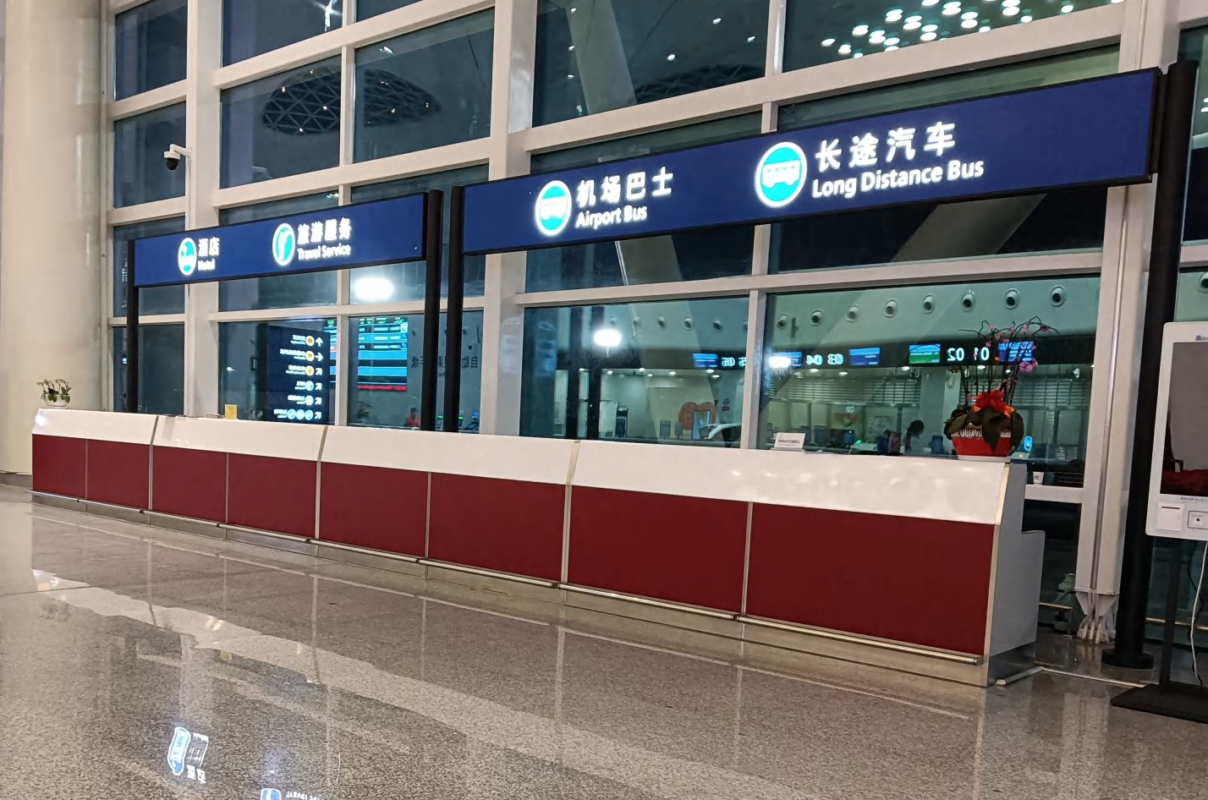
Beyond facilitating ticket verification and baggage drop, airport check-in counters serve as a visual representation of an airline or airport‘s brand identity. Sleek, functional designs enhance the passenger journey, reducing wait times and improving overall terminal flow.
The International Air Transport Association provides Level of Service guidelines that help airport planners size check-in areas appropriately, balancing service quality with capital costs. According to IATA’s Airport Development Reference Manual, the LoS framework considers space and waiting time requirements with the goal of achieving cost-effective airport infrastructure that satisfies the needs of airlines and their passengers.
High-quality check-in desk surfaces must withstand heavy daily use, resist scratches and stains, and comply with international aviation safety standards. Suppliers like MINGLE Airport Furniture Supplier prioritize materials such as stainless steel, durable laminates, and impact-resistant panels to ensure longevity in high-traffic environments. Typically constructed from durable, fire-retardant materials like powder-coated steel frames and high-pressure laminate surfaces, premium check-in counters meet ASIAD (Aviation Security in Airport Development) standards and feature antimicrobial coatings that reduce bacterial adhesion.
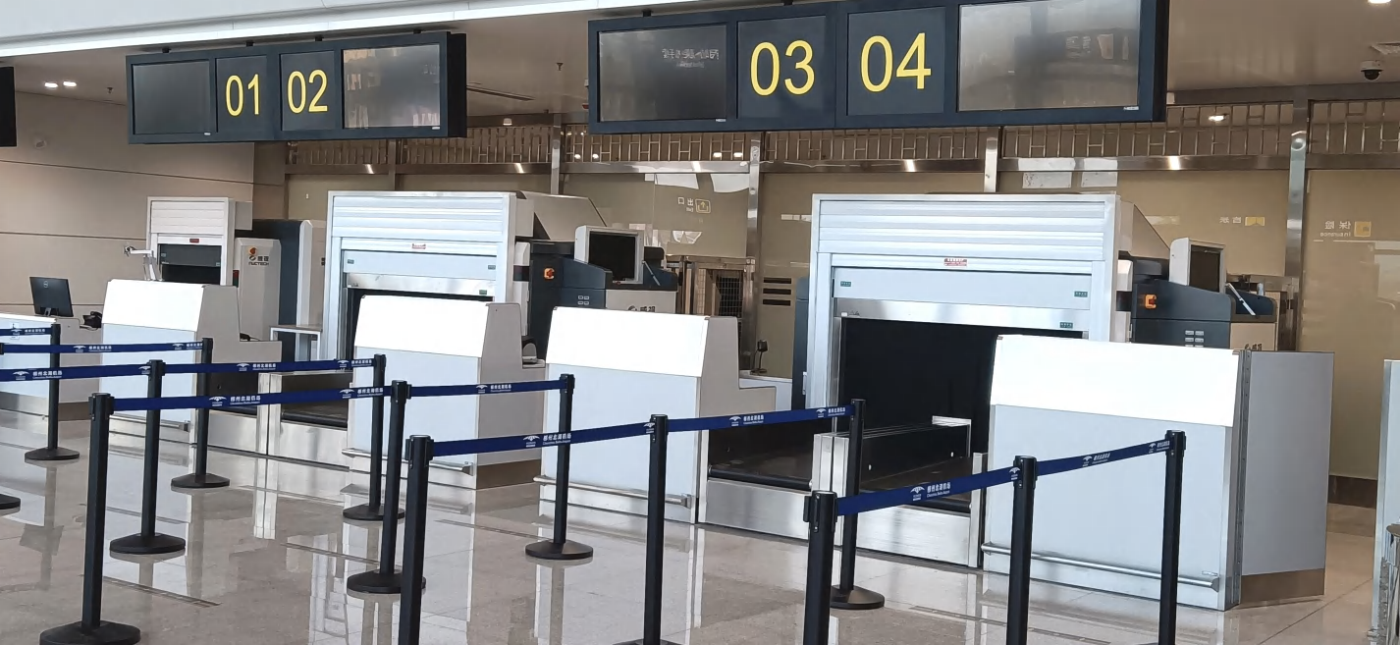
Durability & Wear Resistance
Top-tier check-in counter surfaces are engineered to handle constant passenger interaction, luggage handling, and equipment placement. Materials like solid surface composites and stainless steel offer superior resistance to dents, scratches, and chemical damage, reducing maintenance costs over time. Leading check-in counters incorporate tamper-resistant assemblies with anti-vandalism laminates, ensuring they withstand the rigors of busy terminal environments.
Customization & Modularity
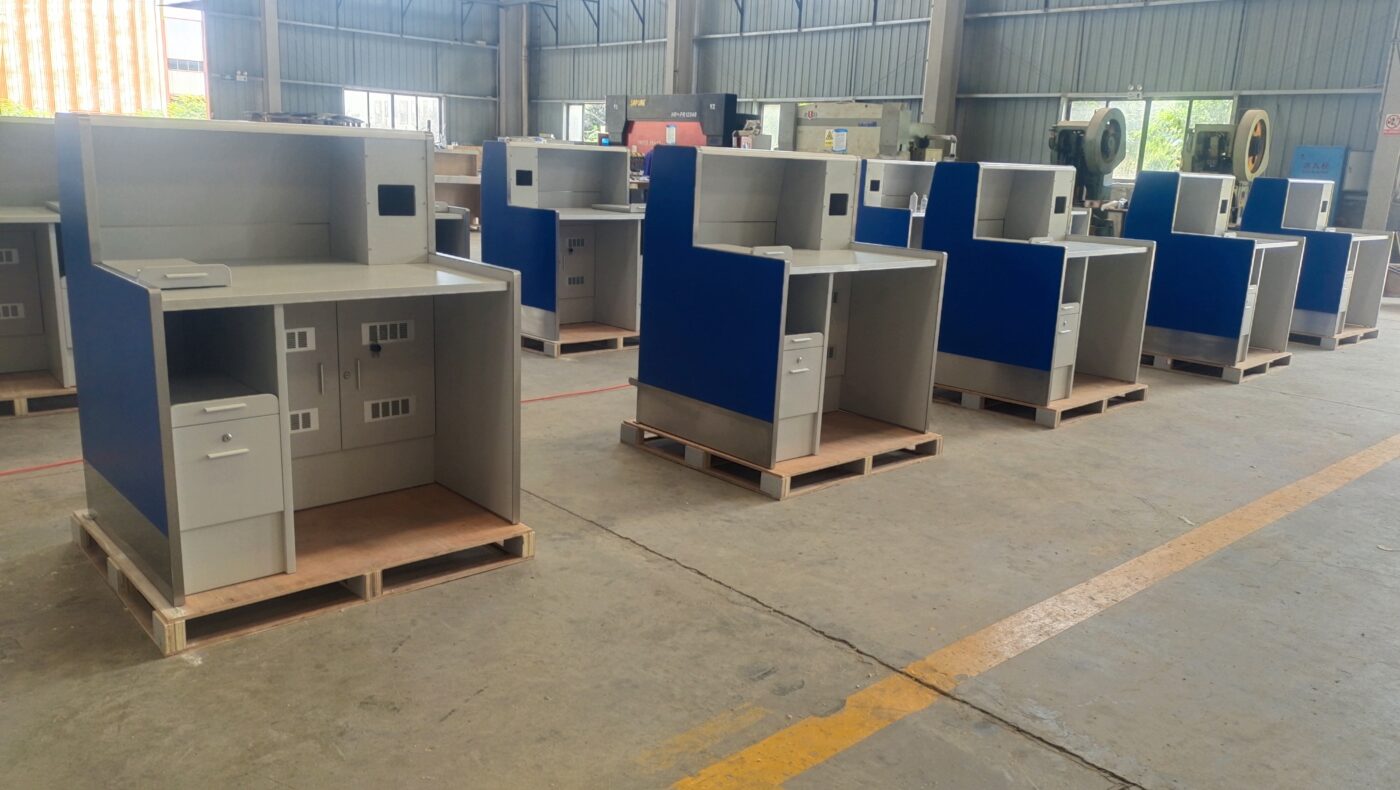
Modular check-in counter designs allow airports to adapt layouts to changing operational needs—whether expanding during peak travel seasons or reconfiguring for new airline partnerships. Suppliers like GDMingle offer fully customizable dimensions, color schemes, and integrated technology slots to accommodate self-check-in kiosks, baggage weighing systems, and passenger service desks.
Engineered for modularity with plug-and-play modules for self-service kiosks or staffed hybrids, modern counters minimize footprint (2–4 m² per position) while supporting biometric integrations like facial recognition to slash queue times.
Safety & Accessibility
Compliance with ADA (Americans with Disabilities Act) and global accessibility standards is non-negotiable. Premium check-in counters feature adjustable heights (700–1,100 mm) for universal accessibility per ADA and EN 12021 guidelines. They also incorporate tactile indicators and wide pathways to ensure equal access for all passengers, including those with mobility challenges.
Aesthetic Appeal
The visual design of check-in counters directly influences passenger perception of an airport. Modern, clean lines and brand-aligned color palettes create a welcoming atmosphere, while durable finishes maintain a polished appearance even after years of use.
MINGLE Airport Check-in Counters Factory expertise in delivering turnkey airport check-in solutions is exemplified by its successful project at Julius Nyerere International Airport in Dar es Salaam, Tanzania—the country’s largest and busiest aviation hub, serving as a key gateway to East Africa.
The project required a scalable, modular check-in counter system that could accommodate multiple airlines while maintaining a cohesive terminal aesthetic. GDMingle’s team collaborated closely with airport stakeholders to design custom counters featuring:
Blue and silver paneling – complementing the terminal‘s modern architectural theme
Integrated power outlets – enabling seamless connectivity for staff and passenger devices
Seamless baggage drop interfaces – streamlining the check-in process
Results: The new check-in system improved passenger flow by 30% and significantly reduced operational bottlenecks during peak hours. Airport management reported enhanced passenger satisfaction and more efficient airline operations—demonstrating the tangible ROI of investing in premium check-in infrastructure.
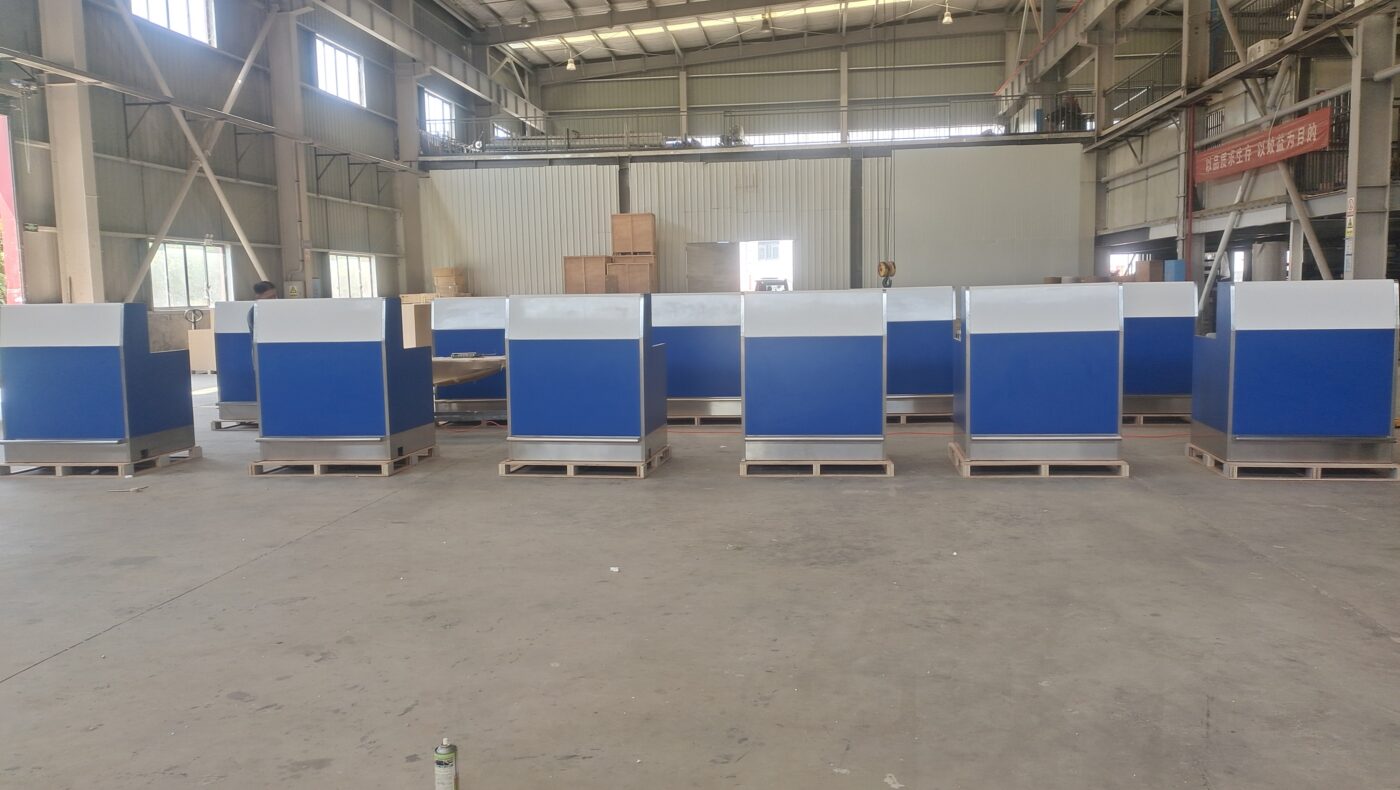
Selecting a reliable supplier is critical to the success of any airport check-in counter project. Here are key factors to consider:
Factory | What to Look For |
|---|---|
| Industry Experience | Suppliers with a proven track record in aviation infrastructure, such as GDMingle, which has delivered projects across Africa, Asia, and the Middle East |
| Customization Capabilities | Ability to tailor designs to your terminal‘s unique layout, brand guidelines, and operational requirements |
| Compliance & Certifications | Verification that all products meet international safety and accessibility standards, including ISO certifications, IATA guidelines, and local aviation regulatory requirements-20 |
| End-to-End Support | Comprehensive services from initial design and prototyping to installation and post-project maintenance |
As aviation evolves, check-in counters are becoming increasingly integrated with digital technologies, including self-service kiosks, biometric verification systems, and contactless passenger processing. The adoption of biometric-enabled self-service kiosks is accelerating, with airports worldwide implementing facial recognition, fingerprint scanning, and iris recognition for seamless passenger identification–.
Hong Kong International Airport‘s new Terminal 2, for example, features 108 hybrid check-in counters, 58 smart check-in kiosks, and 68 express self-bag-drop counters—all designed to enhance efficiency and passenger comfort. The terminal’s e-Security Gates are embedded with facial recognition technology, enabling smooth immigration clearance.
Meanwhile, sustainability is becoming a key design priority. Check-in counters are evolving from static podiums to intelligent pods with energy-harvesting materials and AI queue optimizers. Eco-friendly materials, energy-efficient lighting, and recyclable components are becoming standard features, aligning with global efforts to reduce the aviation industry‘s carbon footprint.
Investing in high-quality airport check-in counters is an investment in passenger satisfaction, operational efficiency, and long-term cost savings. For airport developers and operators embarking on new construction or renovation projects, partnering with a trusted supplier like MINGLE airport check-in counters supplier ensures access to premium check-in desk surfaces, modular designs, and end-to-end support that meets the demands of modern aviation.
Whether you’re building a new airport or renovating an existing one, our solutions are tailored to meet your operational goals.
💻 https://gdmingle.com/product-category/airport-counter/
📧 sales02@gdmingle.com