
Airport seating for transit hubs should be selected around passenger movement, dwell time, cleaning access, and a controlled procurement brief. For a transfer terminal or intermodal airport area, the right choice is not simply the largest seat count: buyers need a layout that supports short stops, luggage, circulation, accessible spaces, and practical maintenance. Start with the approved zone plan, define the required configuration, then compare suppliers against the same evidence and delivery scope.
This guide is for airport developers, architects, contractors, operators, and FF&E procurement teams planning airport terminal seating for transfer halls, connection corridors, arrival waiting areas, or other transit-focused spaces. Product claims and configurations must be checked for the exact model and project; this article does not promise a universal layout, certification outcome, price, or delivery date.
Plan transit hub seating around passenger movement
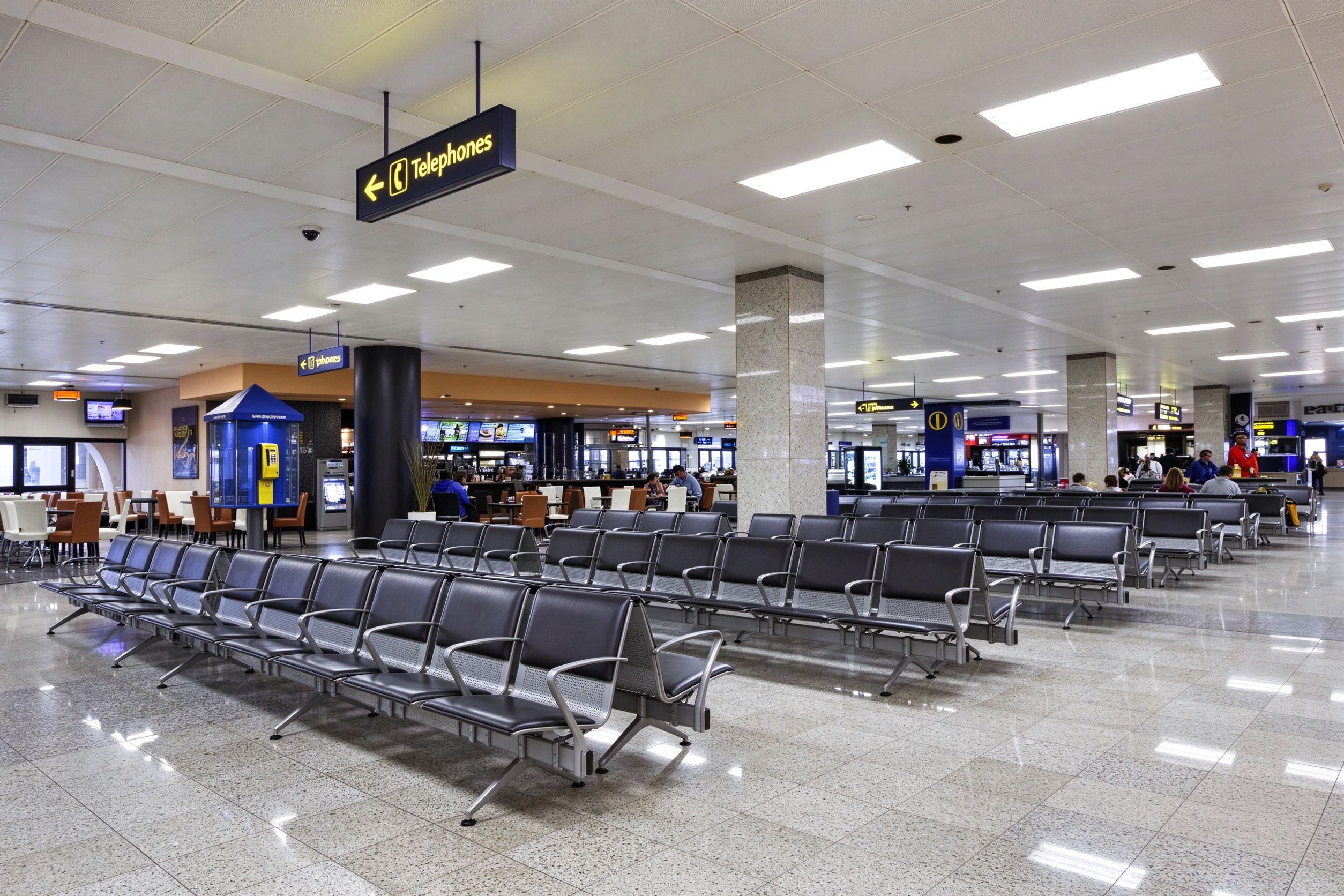 Transit hubs combine different types of waiting. A passenger may sit briefly near a connection route, wait with luggage in an arrivals zone, or need a longer rest near a gate or service point. Map those use cases before choosing a chair arrangement. On the plan, identify the seating zone, nearby doors and columns, queue equipment, cleaning route, staff access, and the direction of passenger flow. Keep the preliminary seat count separate from the final approved schedule.
A beam-seating arrangement can provide an orderly row of seats, but the row length must suit the actual space. Compare one-, two-, three-, four-, and five-seat options with the available wall or floor dimensions, end conditions, and access requirements. Do not place a continuous row where it would narrow a route, obstruct a service point, or make luggage movement difficult. Mark the position of arms, end components, and any gaps on the coordinated drawing so a quotation can be checked against the intended layout.
For accessibility and life-safety matters, the project’s responsible design professionals and local authorities must confirm the requirements for the destination. Show mobility and companion spaces identified by the design team rather than assuming a catalog photograph answers a site-specific question. A clear plan also helps the operator decide where cleaning teams can reach every surface without moving installed furniture.
Match airport waiting chairs to the procurement brief
A useful procurement brief tells every supplier the same story. Include the hub or terminal zone, application, approximate quantities, desired seat arrangement, finish direction, destination, drawing revision, approval contacts, and required documents. State which values are provisional.
MINGLE airport waiting chairs is a starting point for reviewing chair categories and available product directions. Move from the category page to the exact model before treating any feature as part of an offer. For example, MINGLE airport beam chairs lists steel, aluminum alloy, and PU as main materials, one- to five-seat configurations, customizable color, and airport application. It also displays a minimum order quantity and a certification statement on that specific page.
Request a model-level package containing a dimensional or configuration drawing, material description, finish basis, seat count, connection information, care guidance, and a list of included and excluded components.
Compare configuration, maintenance, and delivery evidence
Price comparison is meaningful only when the scope is normalised. Build a table with columns for model, seats per unit, number of units, arms and end components, finish, packaging, inspection, shipping term, unloading, installation, spare parts, documentation, exclusions, and approval milestones.
- Review proposed materials and surfaces with the operator’s cleaning regime.
- Ask which cleaning products are suitable and which parts can be replaced.
- Request documents for any referenced standard or certification.
- Separate drawing approval, finish approval, sample review, production release, inspection, packing, shipment, installation, and handover.
For a broader document checklist, buyers can also review MINGLE airport seating specifications guide. Use it to structure questions, then return to the exact model page and written quotation for the project decision.
Approve samples and close out the transit hub package
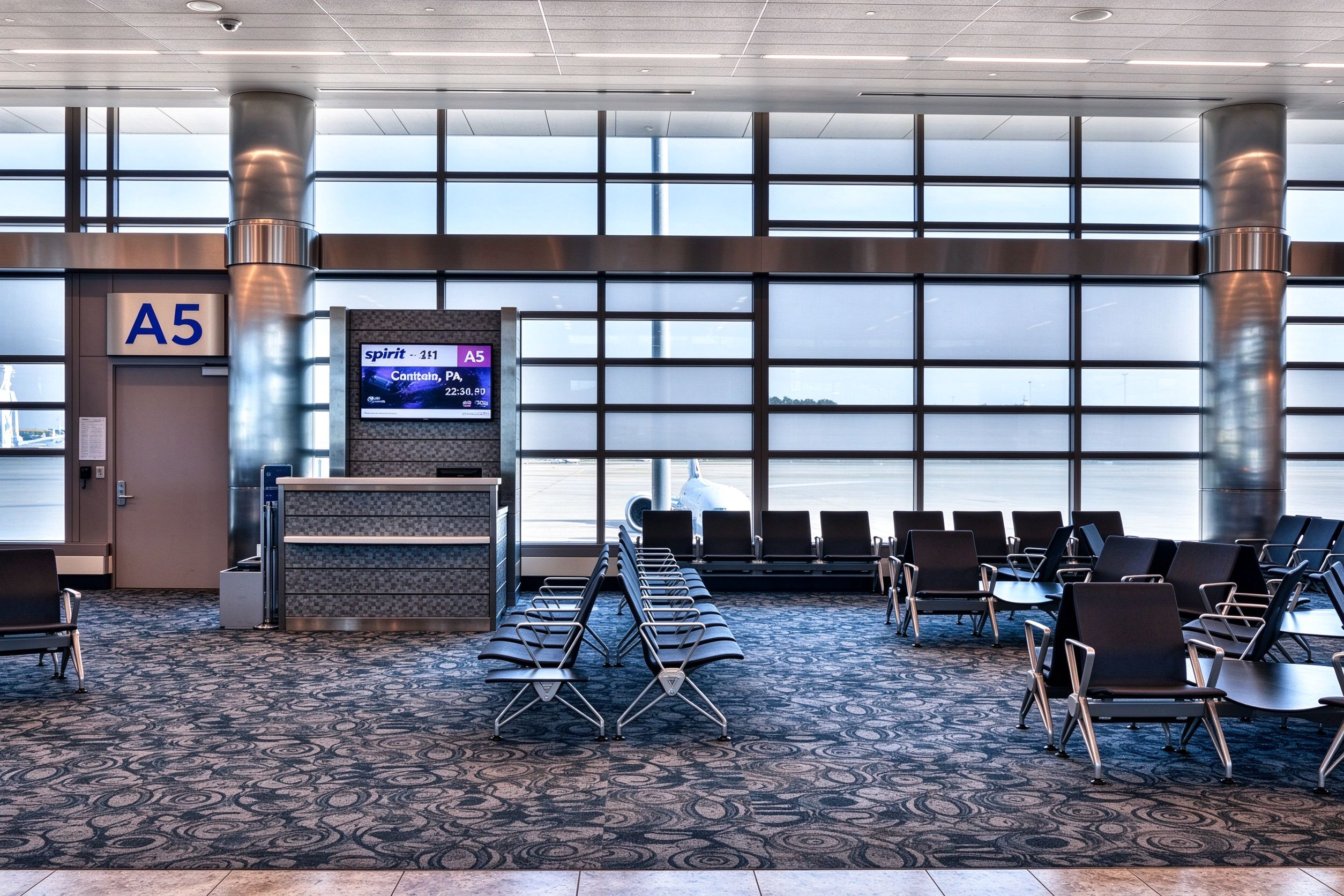 Before production release, freeze the model, seat configuration, finish, drawing revision, quantity, and responsibility matrix. Keep the approved sample or finish reference with the controlled drawing package. At receiving, check package labels, quantities, visible condition, seat arrangement, finishes, and obvious missing parts against the approved schedule.
A focused enquiry should include the latest plan, seating schedule, approximate quantity by zone, preferred configuration, finish direction, destination, required documents, and installation assumptions. Ask the supplier to return an itemised offer with exclusions and alternatives visible.
How do I request a transit hub seating proposal from MINGLE airport waiting chair factory?
Ask for a model-specific proposal covering configuration, materials, finish approval, drawings, quotation assumptions, documentation, and delivery responsibilities.
Ready to plan your transit hub seating package? Send us the latest zone plan and procurement brief, then request a written response for the required airport waiting chairs configuration. Include the seat schedule, finish direction, approval documents, destination, and handover expectations. Ask MINGLE airport seating supplier to identify assumptions, alternatives, exclusions, and the drawing revision used for the quotation.