
Choosing an airport chairs supplier for an international project should begin with evidence, not a catalog headline. Ask shortlisted suppliers to respond to the same layout, configuration, finish, documentation, and delivery questions, then compare what each offer actually includes. This process helps airport developers, architects, contractors, and FF&E procurement teams separate a suitable manufacturing partner from a low headline price. It also makes later drawing approval, sample review, shipping coordination, and handover easier to manage.
Start with a supplier brief that can be compared
An international tender becomes difficult to evaluate when each bidder receives a different interpretation of the requirement. Before contacting suppliers, prepare a short brief that identifies the terminal area, seating zones, approximate positions, drawing revision, preferred configuration, finish direction, destination, and required response date. Label assumptions as assumptions. A preliminary count is not the same as an approved seat schedule, and a product photograph is not a construction detail.
Ask each airport chairs supplier to return an itemised response against the same line numbers. The response should distinguish individual seats, complete beam units, accessories, spare parts, packaging, and installation responsibilities. Request a marked-up configuration drawing for unusual end conditions, columns, doors, queue barriers, or wheelchair spaces. If a supplier proposes an alternative, require it to be shown as an alternative rather than silently replacing the base offer.
MINGLE airport terminal chairs can be used as a product starting point during this process. The collection page groups several airport chair categories, so procurement teams should move from the category view to the exact model and configuration before treating any feature as part of the offer.
 Check product evidence at model level
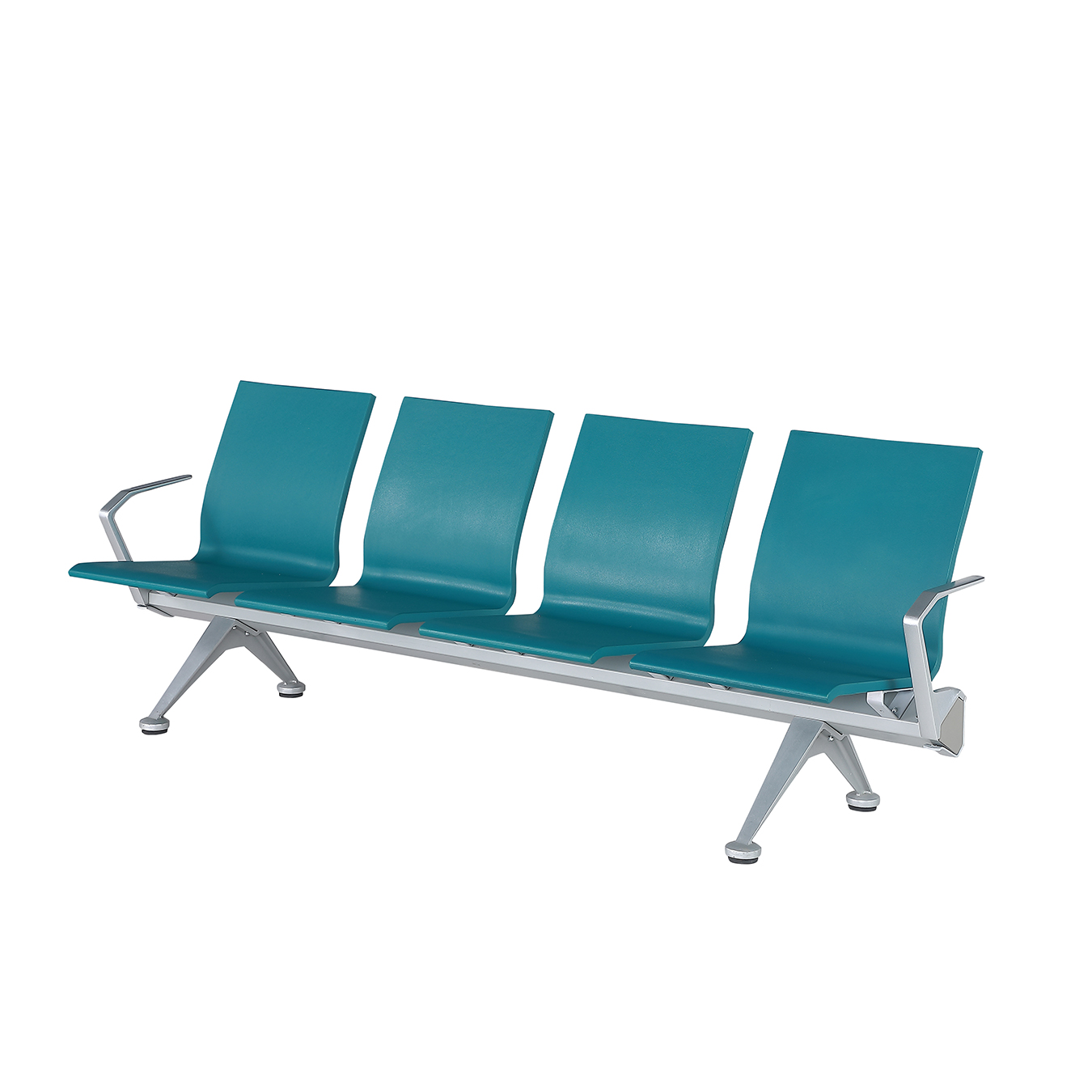 Check product evidence at model level
A supplier’s general company description cannot replace model-specific information. For every proposed airport chair, request the product page or technical sheet, dimensional drawings, material description, finish options, seat arrangement, connection details, care guidance, and the scope of any available test or certification statement. Keep these documents with the tender comparison so a later reviewer can see which evidence supported the selection.
For example, MINGLE Model 2821 Airport Seating displays steel, aluminum alloy, and PU as main materials, customized color, and one- to five-seat configurations. It also displays a minimum order quantity of 50 sets and statements referring to ISO/ANSI/BIFMA X5.4 certification. These are page-level claims for that product page; they should not be transferred to every MINGLE chair or treated as project approval without checking the exact offered configuration and supporting documents.
A practical model review should cover the points below:
- Confirm the number of seats, armrests, and end components shown on the drawing.
- Match the offered finish and color sample to the written schedule.
- Ask which components are replaceable and how replacement parts are identified.
- Check cleaning and maintenance instructions against the operator’s proposed regime.
- Request the applicable report or certificate and verify its model, configuration, issuer, and date.
- Record exclusions instead of assuming that accessories, fixing, or installation are included.
Where public seating standards are relevant, read the applicable scope rather than relying on a logo.
Review international project capability without making assumptions
“International supplier” should mean more than a website that accepts overseas enquiries. Ask how the supplier manages drawing approval, finish approval, export packaging, shipping documents, communication across time zones, and changes after the purchase order. The buyer should not assume that a manufacturer’s usual process matches the project’s contract requirements.
Request a named document list for the proposed package. Depending on the contract, this may include product drawings, finish samples, packing information, commercial documents, installation instructions, care guidance, spare-part references, and inspection records. Only ask for documents that the project team actually needs, and identify who reviews and approves each item. This prevents a late request for a drawing or sample from becoming an avoidable programme risk.
Accessibility should also be reviewed by the responsible design professionals, operator, and local authorities. The Southwest ADA airport facilities guidance states that terminal facilities providing access to air transportation must be accessible and usable by people with disabilities, including wheelchair users. This does not prescribe one universal chair layout for every country. It does show why a supplier should receive a coordinated plan and why circulation, companion seating, and mobility spaces must be confirmed by the project team rather than guessed from a catalogue.
For international work, also ask who owns the final site measurement, who checks local fixing conditions, and who resolves a discrepancy between the approved drawing and the installation area. A clear responsibility matrix is more useful than an unqualified promise of project support.
 Compare quotations by total scope
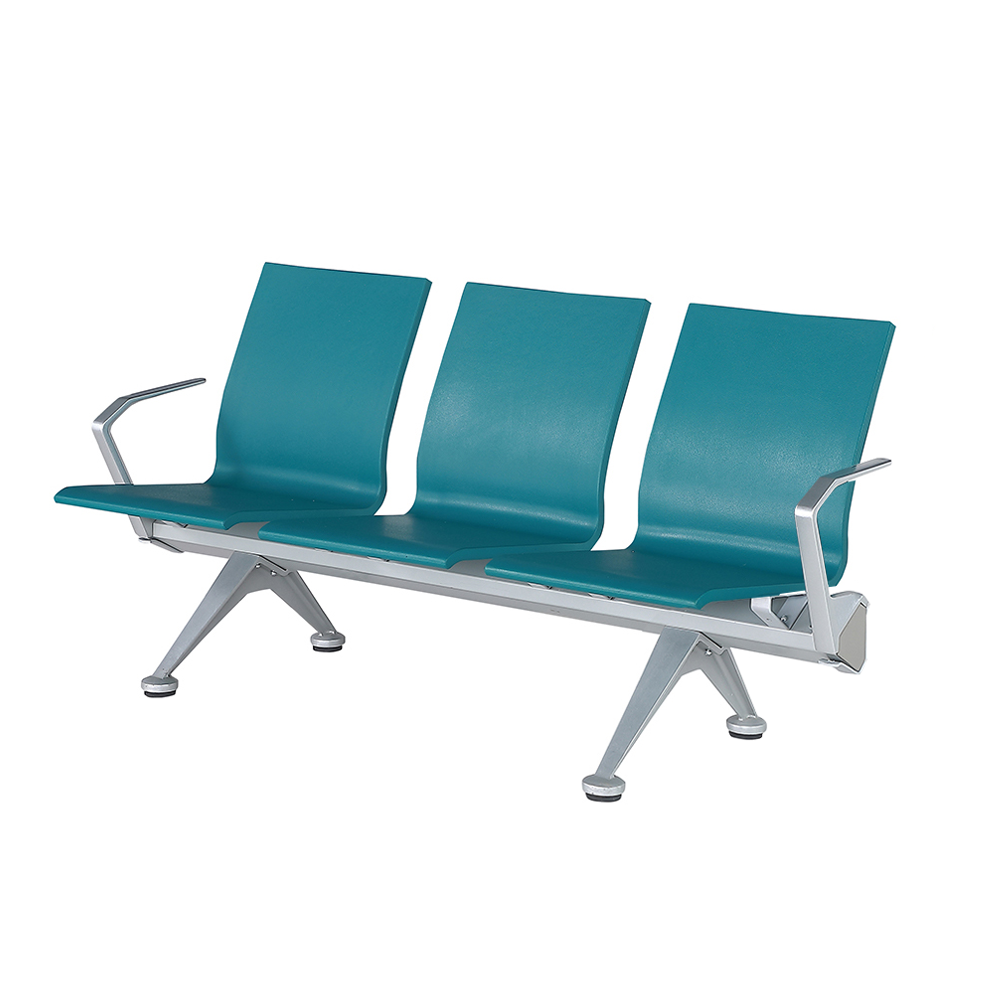 Compare quotations by total scope
Do not rank quotations by unit price until the scope has been normalised. Build a comparison table with columns for model, configuration, quantity basis, finish, packaging, inspection, shipping term, unloading, installation, spare parts, documentation, exclusions, and proposed approval milestones. If one offer prices a complete beam unit while another prices individual seats, convert the comparison to a common basis before discussing value.
Separate the following milestones in the procurement schedule:
- Brief and drawing review.
- Configuration and finish approval.
- Sample or mock-up review, where required.
- Production release and inspection planning.
- Packaging, shipment, and receiving coordination.
- Installation, snagging, and handover documentation.
Avoid inserting an unverified lead time into the tender. Instead, ask each supplier to confirm the expected sequence after reviewing the actual quantity, finish, destination, and approval route. Record the date of each written confirmation. For phased terminal work, link delivery batches to zone readiness and define storage responsibility for unopened goods. These steps make the offer auditable without promising a delivery result that has not been agreed.
Use a controlled approval and handover process
Before placing an order, freeze the approved model, configuration, finish, drawing revision, quantity, and responsibility matrix. Send the supplier one controlled package and ask it to identify deviations in writing. If the project changes a gate, queue, column, or access route, revise the affected line item and drawing reference rather than relying on an informal email description.
At receipt, check package labels, visible condition, quantities, finishes, and obvious missing components against the approved schedule. During installation, record each zone, installed configuration, defects, and agreed corrective action. At handover, retain the final drawings, care information, installation notes, replacement-part references, and any applicable inspection or test documents. This file gives the operator a practical starting point for maintenance and future replacement decisions.
The best supplier decision is therefore not simply the lowest quotation. It is the offer that can be compared fairly, supported by model-specific evidence, coordinated with the international project team, and closed out with records that match what was actually supplied.
How do I request a project-specific proposal from us?
Prepare the coordinated brief and contact us and ask for the proposed model, configuration drawing, finish basis, quotation assumptions, documentation list, and delivery responsibilities. Review the response against your project requirements before approving samples or production.
💻https://gdmingle.com/product-category/airport-chair/
📧 Email: sales02@gdmingle.com
📞 WhatsApp: +86 133 9224 9161