
Buying airport waiting chairs for new terminals starts with a drawing, not a product photo. The procurement team must turn changing gate layouts, passenger routes, and operating requirements into a seat schedule that bidders can price consistently. This guide follows that handoff from annotated plans to a usable furniture tender. It focuses on what to record, what to leave for design approval, and what evidence to request before an award—not on ranking chair styles in isolation.
Read the terminal plan before counting seats
Mark every waiting zone and its operating boundary
Start with the latest controlled floor plan and give each seating zone an ID: gate lounges, transfer waiting areas, landside halls, and other agreed locations. Record the plan revision beside the ID. Note doors, queue lines, circulation paths, information displays, columns, power points, and areas reserved for wheelchair users or mobility aids. Do not let a chair count quietly absorb space needed for movement or operations. Ask the airport planner and accessibility lead to approve the clearances applicable to the project; a furniture supplier should not invent local code dimensions from a generic catalog.
Distinguish capacity targets from installable positions
A passenger forecast is not a layout. For each zone, show a target seating capacity and a separate preliminary count of positions that actually fit on the drawing. Flag mismatches for the design team instead of padding the tender quantity. Number the proposed chair runs so reviewers can point to a specific location when a gate changes. This simple cross-reference keeps late plan revisions traceable: the quantity schedule can be updated without rewriting every specification paragraph. It also lets operations review sightlines and cleaning access before the buyer issues the bid.
Turn the drawing into a seat schedule
Record runs, modules, and exceptions by zone
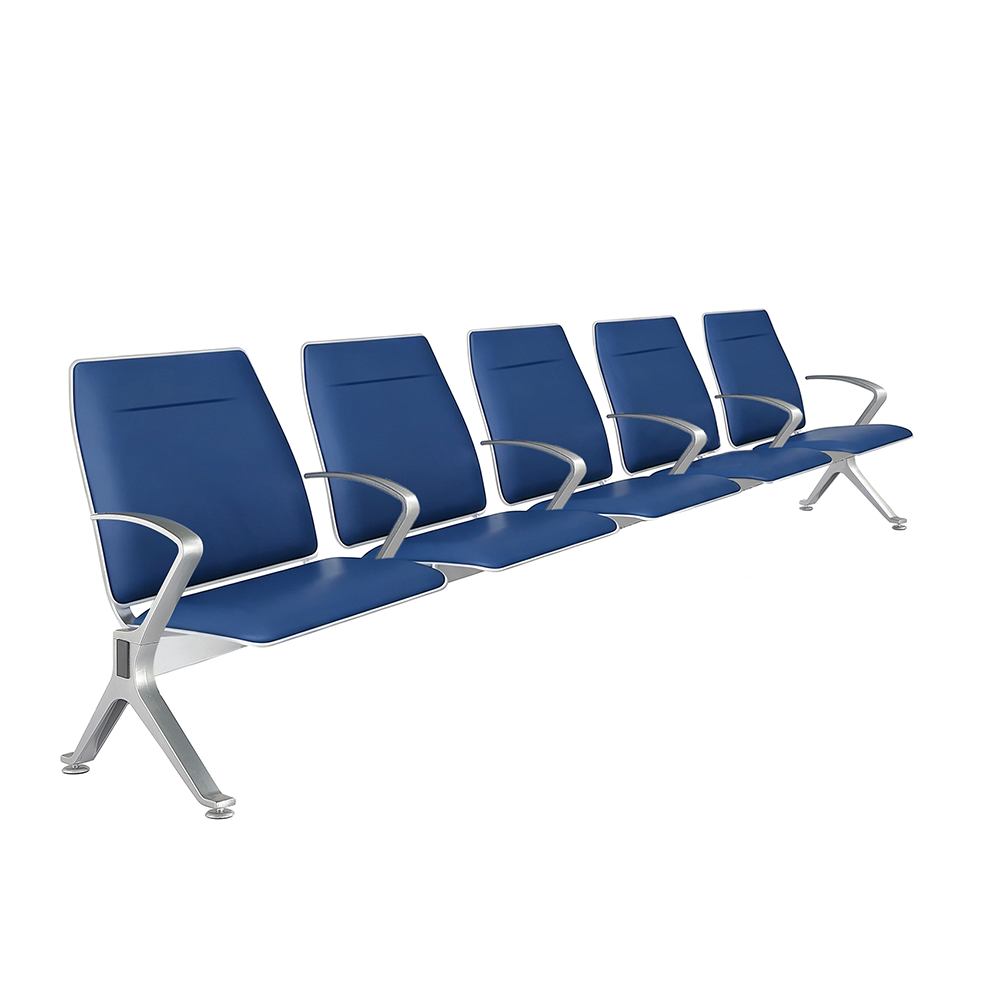
Create a spreadsheet with zone ID, drawing revision, run ID, proposed module, positions per run, run quantity, and total positions. Add an exception field for obstructions, end conditions, accessible space, or a future expansion allowance. Where beam seating is proposed, request a diagram of the offered run configuration rather than assuming every location accepts the same beam length. Keep the layout’s intended capacity and the supplier’s offered quantities in separate columns; otherwise a bidder may appear cheaper simply by omitting positions.
Separate fixed requirements from options
Set out which areas need a common finish, which can take alternate seat surfaces, and which decisions remain provisional. MINGLE airport waiting chairs are page-listed options for that model, not a promise that every proposed layout is feasible. Request drawings, finish samples, and a model-specific schedule for the actual zones. Mark alternates explicitly so a substitution never changes the base comparison unnoticed.
Write tender lines that bidders can answer
Define a comparable base offer
Give each line item a location reference, required seating positions, approved configuration or performance intent, finish basis, installation scope, and required submittals. Ask every airport chairs supplier to map its offer back to those same line IDs. A useful response includes configuration drawings, an itemized quantity breakdown, material and finish descriptions, packaging assumptions, installation method, and any exclusions. State who verifies site measurements and who resolves a clash between a supplied run and the approved plan. Avoid inserting unverified seat dimensions, lead times, or prices into the tender as if they were MINGLE product facts.
Request test evidence without implying certification
Specify the standard or test evidence the project’s advisers consider relevant, together with the exact model and configuration covered by each submitted report. BIFMA’s standards descriptions describe ANSI/BIFMA X5.4 as covering public and lounge seating in indoor waiting and other gathering spaces, including units with multiple seating positions. That scope helps frame a documentation request; it does not establish that any offered chair has passed a test or holds a certification. Have the evaluation team examine the actual report, edition, issuer, and applicability rather than relying on a product-page claim alone.
Compare bids against the plan and prepare handover
Review deviations before comparing totals
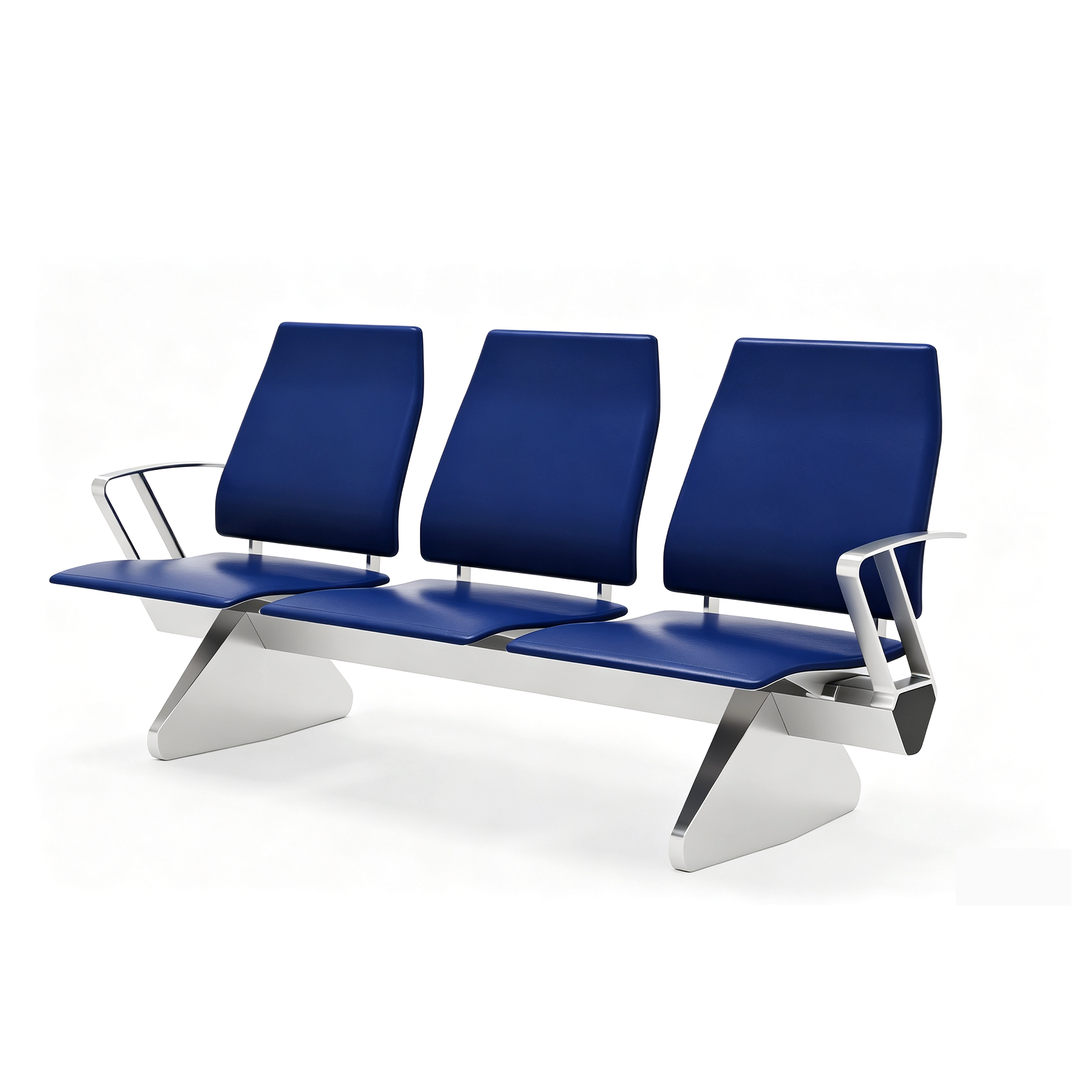
Normalize submissions by zone and by seating position. First check missing runs, alternate modules, finish differences, and excluded delivery or installation tasks; only then compare commercial totals. A bid comparison sheet should retain the bidder’s stated assumptions alongside the buyer’s requested baseline. When one bidder proposes fewer positions or a changed footprint, send a clarification tied to the drawing and line ID. Do not hide the variance inside a blended unit price. This method makes airport seating procurement easier to defend when the terminal design changes between tender and award.
Close the loop with installation records
Before ordering, obtain an approved final layout and a coordinated schedule showing quantities by zone, module, finish, and identification mark. Agree how damaged or missing components will be recorded on receipt and who signs off installed runs. At handover, compare the delivered schedule and as-built locations with the approved list, then retain product care information and any submitted test documentation. For a new terminal, the procurement file should explain not merely which airport waiting chairs were bought, but where each run went and how deviations were accepted.
Planning the new-terminal seating tender
Fix an approved baseline for bidding, but label it with the drawing revision and keep a change process. If the architect later moves a queue or changes a gate boundary, revise the affected zone IDs and quantities; do not assume the original count still fits.
Possibly, but verify each run against circulation, operational use, finish requirements, and installation conditions. A family of configurations may simplify the schedule, yet model suitability and documentation still need review zone by zone.
Send an annotated plan, zone-by-zone position schedule, preferred finish basis, installation scope, and questions about required submittals. Ask MINGLE airport chair manufacturer to return a line-by-line proposal with stated assumptions and alternatives. Contact airport waiting area seating manufacturer to start the procurement conversation and request a layout-specific offer rather than a generic chair price.
🌐 https://gdmingle.com/airport-waiting-chairs/
☎️ WhatsApp/Wechat/Call: +86 133 9224 9161