
When a terminal project is buying airport waiting chairs, sample approval should happen before the full order is released. The right process checks more than appearance: buyers should compare the approved sample with the specification, confirm the beam or seat arrangement, review finish and upholstery samples, and record what must be inspected at production and delivery. A written sample approval guide helps the airport owner, designer, contractor, and supplier work from the same reference instead of relying on a verbal description.
This guide explains how to review airport waiting chair samples for a procurement package. It focuses on decisions that can be documented: configuration, visible materials, finish, comfort-related features, cleanability, installation interfaces, labeling, packaging, and acceptance records. Product claims should be matched to the supplier’s current technical documents. For a reference point, MINGLE airport waiting chair category shows several chair families, while the airport waiting chair identifies a specific beam-seating option for review.
Start With a Written Sample Brief
A sample is useful only when everyone knows what it is meant to prove. Before requesting a unit, prepare a short brief that lists the intended airport zone, approximate seat count per row or beam, required layout, visible finish, upholstery or cushion choice, armrest approach, and any connection to the floor or adjacent furniture. Do not leave the word “airport seating” to carry all the detail. A gate waiting area, transfer corridor, and lounge may require different arrangements even when they use the same product family.
The brief should identify the approval parties and the decision deadline. Include the supplier’s quotation reference, drawing number, revision date, product code, and any options that are not included in the physical sample. If the sample uses a temporary fabric, substitute color, or demonstration component, label that limitation clearly. The goal is not to reject a sample because a temporary detail is different; the goal is to prevent a temporary detail from being mistaken for the final specification.
A practical sample brief can include:
- Intended location and seating layout.
- Product code or proposed product family.
- Number of seats and beam arrangement to be reviewed.
- Finish, upholstery, cushion, armrest, and color samples required.
- Drawings and dimensions that must accompany the sample.
- Inspection participants and approval deadline.
- Open questions that require a written supplier response.
Use the brief to separate confirmed requirements from items still under review. This makes later quotation comparison easier and gives the supplier a precise list of missing information.
 Inspect the Physical Configuration
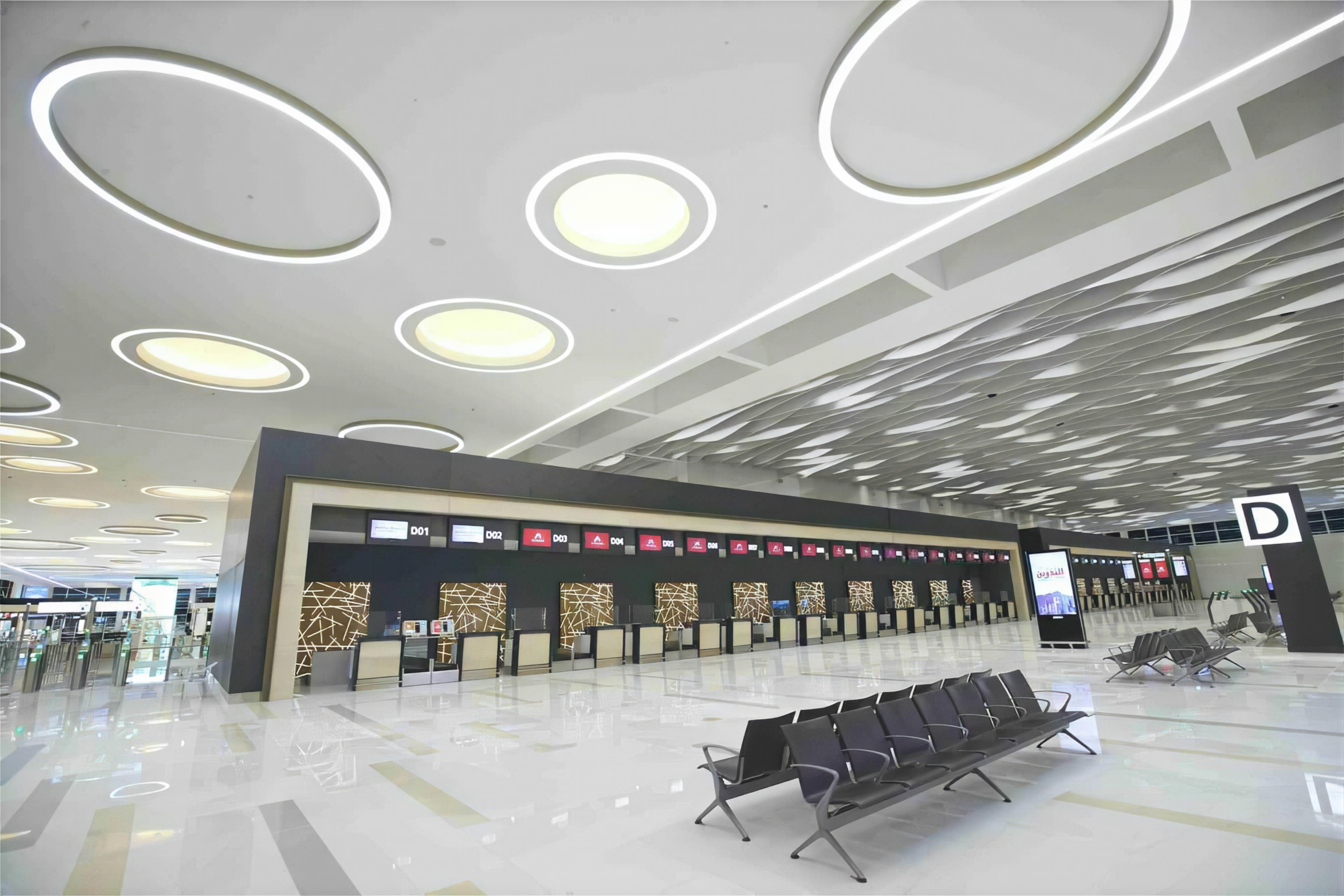 Inspect the Physical Configuration
The first inspection should confirm that the physical sample represents the arrangement shown in the quotation and drawings. Count the seats, observe the beam direction, check the relationship between seat modules and armrests, and compare the sample with the proposed row layout. If the project uses several seat counts, ask how the configuration changes between them rather than assuming that one sample represents every option.
Check the parts that affect coordination with the building or interior fit-out:
- Seat modules: Confirm the number, alignment, and visible gaps between modules.
- Armrests: Check their position, shape, finish, and whether end or intermediate arms are included.
- Supports and beams: Compare the visible structure with the drawing and note access for cleaning or inspection.
- Floor relationship: Confirm whether the sample is freestanding, floor-fixed, or awaiting a project-specific fixing detail.
- Interfaces: Review clearances to walls, columns, circulation paths, power points, and nearby equipment.
Do not approve installation details from a product photograph alone. Ask for the current drawing and written confirmation of any project-specific fixing, spacing, or coordination requirement.
Review Finish, Color, and Upholstery Samples
Color approval is easier when the sample is viewed under conditions close to the final space. Review the chair in the intended lighting, beside adjacent floor, wall, and signage finishes if those references are available. Record the sample code, surface description, and approval status. A general description such as “dark gray” is not enough if the project contains several gray finishes.
For upholstered or cushioned components, compare the proposed cover or PU option with the approved color and texture reference. Note whether the physical sample is final, provisional, or only a material swatch. Inspect seams, edge treatment, transitions between hard and soft components, and any visible mismatch between modules. The approval record should identify which parts are included in the final finish schedule.
MINGLE waiting chairs catalog separates options such as PU, leather, plywood, stainless steel, and recliner chair groups. This confirms that buyers should identify the selected category rather than use “airport chairs” as a complete finish instruction. It does not, by itself, confirm the suitability of a finish for a particular cleaning regime or local specification. Request the supplier’s relevant care and maintenance information before final approval.
Test Practical Use and Cleanability Questions
A sample review can include controlled, ordinary-use checks without pretending to be a laboratory test. Sit on the chair to identify obvious instability, sharp edges, unwanted movement, or uncomfortable contact points. Observe whether armrests and gaps are easy to reach for routine cleaning. Inspect exposed joints, underside areas, and transitions where dust or spills may collect.
Keep observations separate from verified performance claims. Write “no visible sharp edge observed during review” rather than claiming a certification or long-term durability result that has not been documented. If the supplier references a standard, ask for the exact applicable document and scope. The ML-2821 product page makes certification and safety-standard claims for that model; procurement teams should still retain the supplier’s current supporting documentation in the approval file rather than relying on a sample alone.
Ask these practical questions:
- What cleaning methods and products are recommended for the selected finish?
- Which components are replaceable, and how are they identified?
- Are spare parts or replacement covers available for the approved configuration?
- What installation and maintenance information will be supplied?
- Which visible features may vary within normal production tolerance?
The answers should be written into the procurement record when they affect acceptance or maintenance planning.
Build an Approval and Inspection Record
A strong approval record combines the sample, drawings, material references, photographs, and written comments. Give the package a unique revision and mark the sample “approved,” “approved with comments,” or “not approved.” Avoid informal approval through a messaging app when the decision affects production. If comments remain open, list the responsible party and the date for closure.
At production inspection, compare the finished goods with the approved reference. Check product code, seat count, beam arrangement, visible finish, upholstery or cushion option, armrest layout, accessories, labels, packaging condition, and quantity. For a shipment with multiple configurations, use a simple inspection sheet that distinguishes each approved variation. Photograph any deviation and link it to the relevant drawing or sample comment.
The record should also define what happens when a deviation is found. A small color variation, a missing component, and a different seat configuration are not equivalent issues. The buyer, designer, and supplier should agree whether the item needs correction, written concession, replacement, or further review before installation.
FOSHAN MINGLE Waiting Area Seating Manufacturer
If you are selecting airport waiting chairs for a new terminal, renovation, or gate-area fit-out, send us the intended layout, seat configuration, finish requirements, and review timeline. Use the airport waiting chairs to identify the relevant product direction, then request current drawings and sample information for the exact configuration under consideration. A documented review gives every project participant the same reference for quotation, production inspection, and handover—without relying on assumptions from a product name alone.
Before sending the inquiry, attach the sample brief and list the decisions that are still open. Ask for the proposed sample code, finish references, configuration drawing, installation notes, and inspection documents in one response. This keeps the review focused and makes it easier to compare supplier replies without treating an attractive photograph as a complete technical submission. Once the scope is clear, MINGLE can advise on the relevant airport waiting chair direction and the information needed for the next approval step.
💻https://gdmingle.com/airport-waiting-chairs/
📧 Email: sales02@gdmingle.com
📞 WhatsApp: +86 133 9224 9161